I was in grade 5 when I was first
Introduce to yoga, and had immense passion for it, but my classmates
wouldn’t join along
because they were under the impression that Yoga is a religion and belongs to Hinduism
Have you ever wondered whether yoga is a religion? Have you been in a situation where you wanted to practice yoga but hesitate to do so because you thought it’s a religion and didn’t want to be a part of it? Let me break it down- from yoga’s roots in Hinduism, Christianity and Buddhism, to its modern-day evolution as a spiritual and philosophical practice. We know one thing for sure- nobody knows when yoga began. However, yoga’s origin can be traced to northern India (Himalayas) over 5,000 years ago.
The birth of Yoga
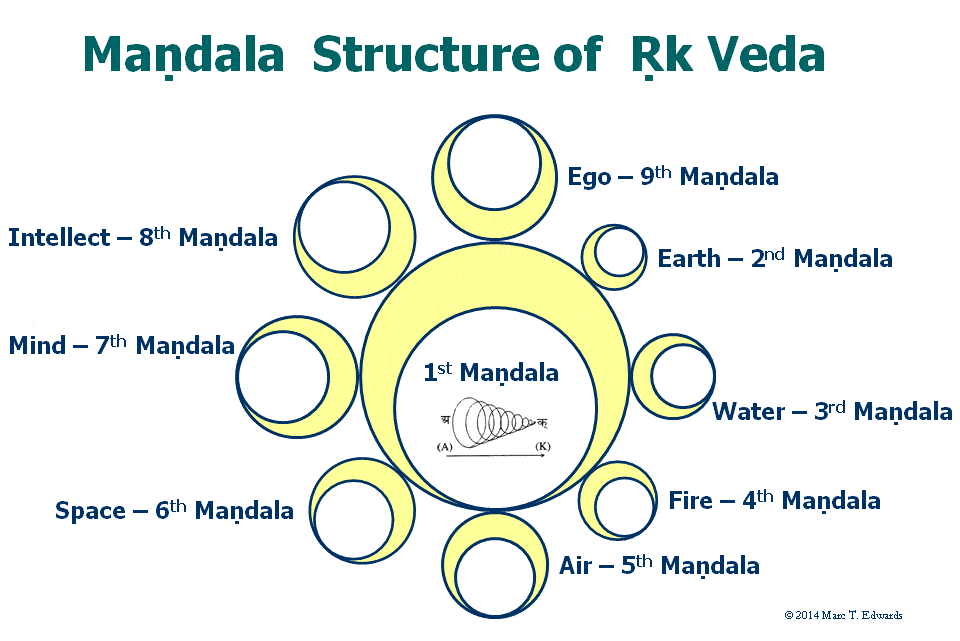
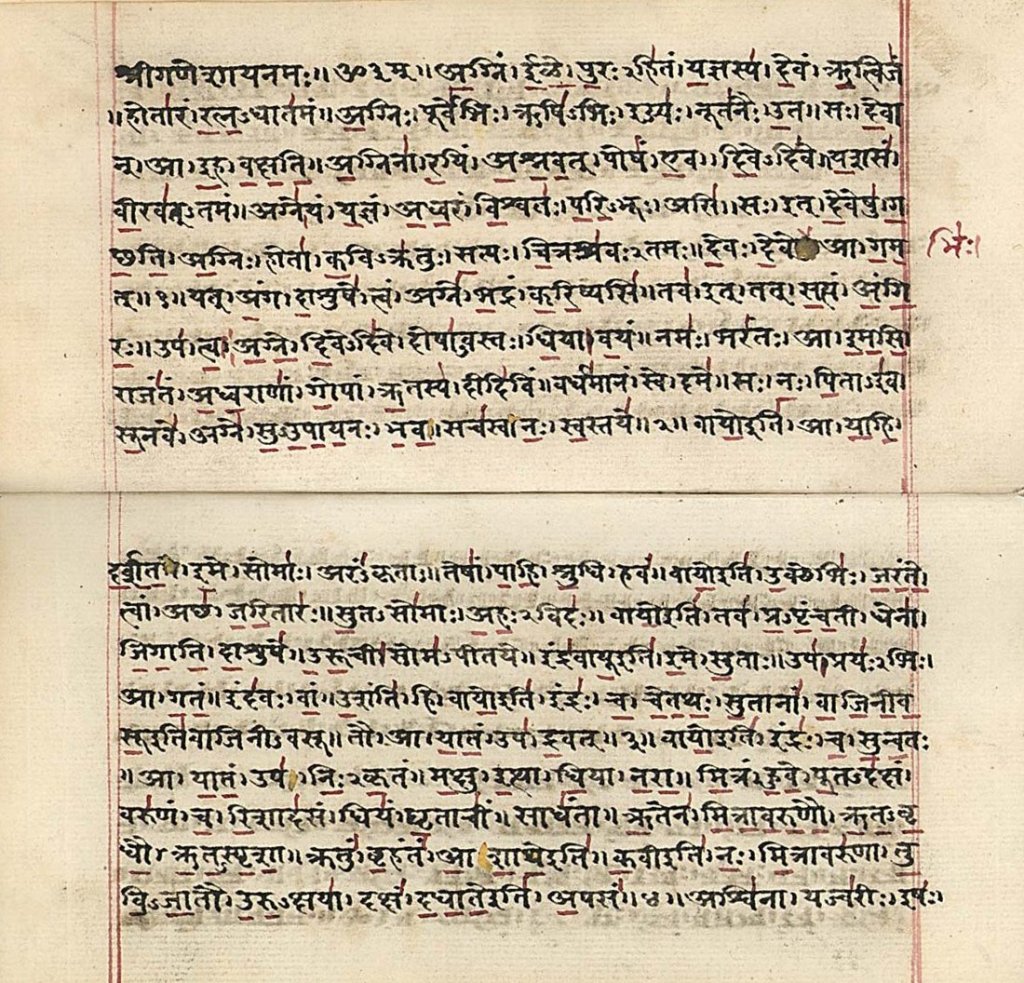
The word yoga was first mentioned in ancient sacred texts called the “Rig Veda“. The Vedas are a set of four ancient sacred texts written in Sanskrit. The Rig Veda is the earliest amongst the Veda’s and is a collection of over a thousand hymns and mantras in ten chapters known as mandalas, which were used by Vedic age priests. Yoga was refined and developed by Rishis (sages) who documented their practices and beliefs in the Upanishads, a huge work containing over 200 scriptures.
Have you ever been for a yoga class or have you often heard a certain terminology they use while practicing yoga?
Like; Āsana, Prānāyāma…. What are these words? What do they mean?
Āsana
Literally translated as seat, the term āsana these days is used to refer to the practice of physical yoga postures or poses.
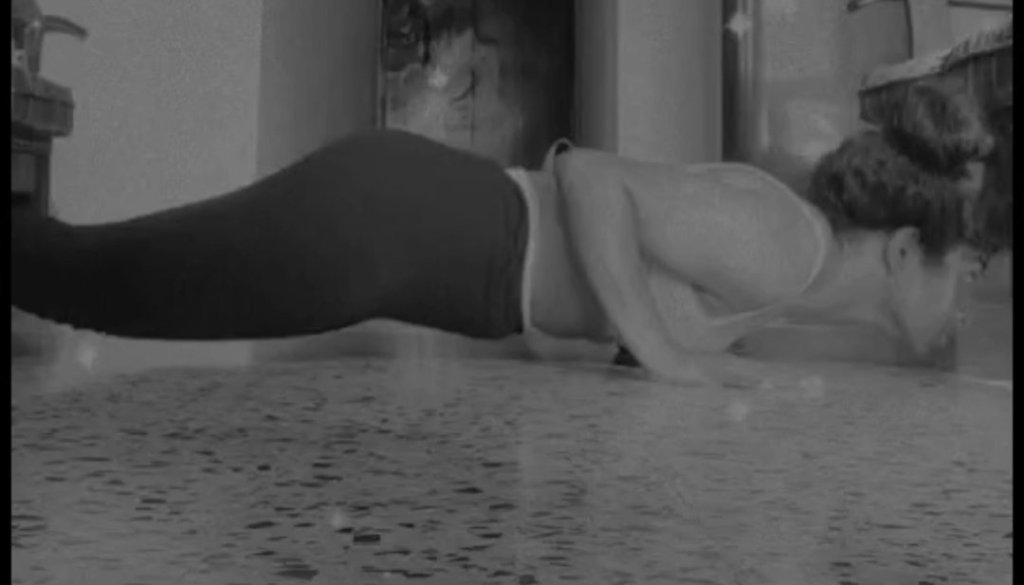
For example, Caturaṅga Daṇḍāsana
Caturaṅga Daṇḍāsana is a posture commonly referred to as “low plank”. It requires arm, shoulder and core strength. It is often performed before lifting the chest up to “upward-facing dog”.
Prānāyāma
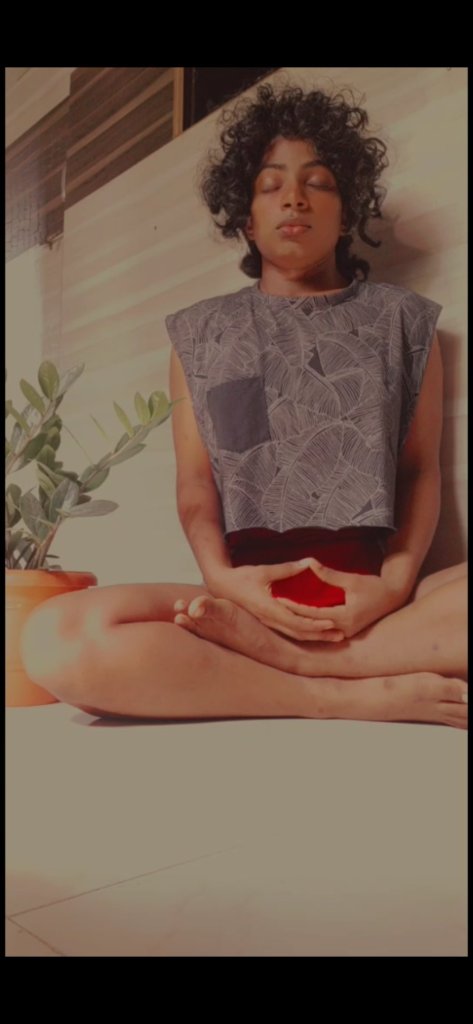
Prāna in Sanskrit refers to the life force within every being. In relation to modern-day yoga classes, the term prānāyāma is used to describe breathing exercises, which clear the physical and emotional obstacles in our body to free the breath.
For example, Ujjayi
Commonly translated as “victorious breath”, ujjayi breath is performed by restricting the air flow at the back of the throat, while breathing in and out of the nose. This creates a note on exhalation, often compared to the sound of the oceans.
Now, let’s clarify about, ‘The yoga poses’
When starting with yoga, there will be certain postures which become the foundation of your yoga practice. Anchoring your practice with these postures allows you to reap the benefits of yoga – flexibility, improved muscle strength, protection of the spine, increased blood flow, and even improved happiness.
It is believed that there are 19 different types of yoga and 66 basic yoga postures.
In bringing yoga to diverse and global audiences, Swami Vishnudevananda kept in mind the lifestyle needs in current times, so he adapted the ancient wisdom of yoga into five basic principles: Proper Exercise (Āsana), Proper Breathing (Prāṇāyāma), Proper Relaxation (Śavāsana), Proper Diet (Vegetarian) and Positive Thinking & Meditation (Vedānta & Dhyāna).
What role does mantras play in the practice of Yoga?
Mantras are repetitive sounds used to “penetrate the depths of the unconscious mind” and “adjust the vibration of all aspects of your being”. Mantras can be chanted aloud, delved upon, or listened in to.
In yoga, mantras are typically chanted in Sanskrit. The Sanskrit word mantra is derived from the root word “man”, meaning “to think,” and tra (from trai) meaning “to protect or to free from bondage” or “to free from the mind.”
The earliest mantras were composed in Vedic Sanskrit in India, and are at least 3,000 years old. Mantras now exist in various schools of Hinduism, Buddhism, Jainism, and Sikhism. They come in many forms; typically, they are melodic, and have mathematically structured meters. The sounds “Aum” or “Om” are some of the most basic of mantras.
On more sophisticated levels, mantras are melodic phrases with spiritual interpretations. These can be many things, such as a human longing for truth, reality, light, immortality, peace, or love. Some mantras have no literal meaning, but are meaningful in a spiritual way.
So, why do yogis chant Aum or Om?
The “AUM” symbol (or OM – the symbol in the center) symbolises the Universe and the ultimate reality. AUM is considered an original (primal) sound that rang out in the creation of theuniverse.
While Om may not be a part of your yoga class, many yoga instructors start and end their class by chanting Om. But, if it’s not a part of practice, simply meditate in silence while others move in vibration with the chants. If you’re practicing yoga in a class and don’t want to chant Om it’s completely fine, but please be mindful and do not leave the class while the chant is on.
Is yoga connected to religion?
Anybody practicing yoga will often be asked, ‘how is yoga related to religion?’
Although yoga is not a religion in itself, it is connected to religion, and stems historically from Hinduism, but also to Jainism and Buddhism.
Both Buddhists and Hindus chant the sacred mantra ‘Om’ during their meditation. ‘Om’ is said to echo the sound of harmony in the universe. You can chant ‘Om’ however, without being a part of a religion, as the mantra isn’t necessarily religious, but more about feeling connected to other people.
“Yoga is spiritual practice and not a religion”
Note:
Whether you see yoga as a sport, a mediation, a struggle to reach to your toes or a struggle to do you handstands and back bends, or just a relief from your anixety and mental health. Remember that there’s inner sanctity in you somewhere.
Om Shanti!!🙏🌻
Peace and love to you all🌼
 The Yin Yang Yoga Explorer☯️🌍