Summer season was gone, the gloomy sun, the beautiful sunsets were spectacular during summer time and I’d surely miss them But little did I know that I was really excited for monsoons .The sky being a source of an incredible indication that rainy season had approached. It was a beautiful evening, pleasant weather and certainly the perfect time to practice my yoga.
“It’s interesting how amazing all yoga poses have a certain name and certain significance related to them”.
In today’s blog, I’m going to speak about Veerabhadrasana / Virabhadrasana- Warrior Pose
This pose strengthens the arms, shoulders, thighs and back muscles, all in one go. This pose is named after Veerabhadra, a fierce warrior, an incarnation of Lord Shiva. The story of the warrior Veerabhadra, as all stories from Upanishads, has a moral that adds value to our life.
Meanings: Veera – vigorous, warrior, courageous; Bhadra – good, auspicious; Asana – Posture
Benefits of the Warrior Pose (Virabhadrasana)
• Strengthens and tones the arms, legs and lower back.
• Improves balance in the body, helps increase stamina.
• Beneficial for those with sedentary or deskbound jobs.
• Extremely beneficial in case of frozen shoulders.
• Releases stress in the shoulders very effectively in a short span of time.
• Brings auspiciousness, courage, grace and peace.
Contraindications of the Warrior Pose (Veerabhadrasana)
• Practice Warrior Pose (Veerabhadrasana), if you have experienced spinal disorders recently or just recovered from a chronic illness, I’d advise you to consult with the doctor first.
• High blood pressure patients should avoid this posture.
• Veerabhadrasana especially benefits pregnant ladies in their second and third trimester provided they have been practicing yoga regularly. Practice Virabhadrasana while standing close to a wall so you can support yourself if required.
• Avoid this posture if you are suffering or had recently suffered from diarrhoea.
• If you have knee pain or arthritis, use some support at the knee to hold this yoga posture.
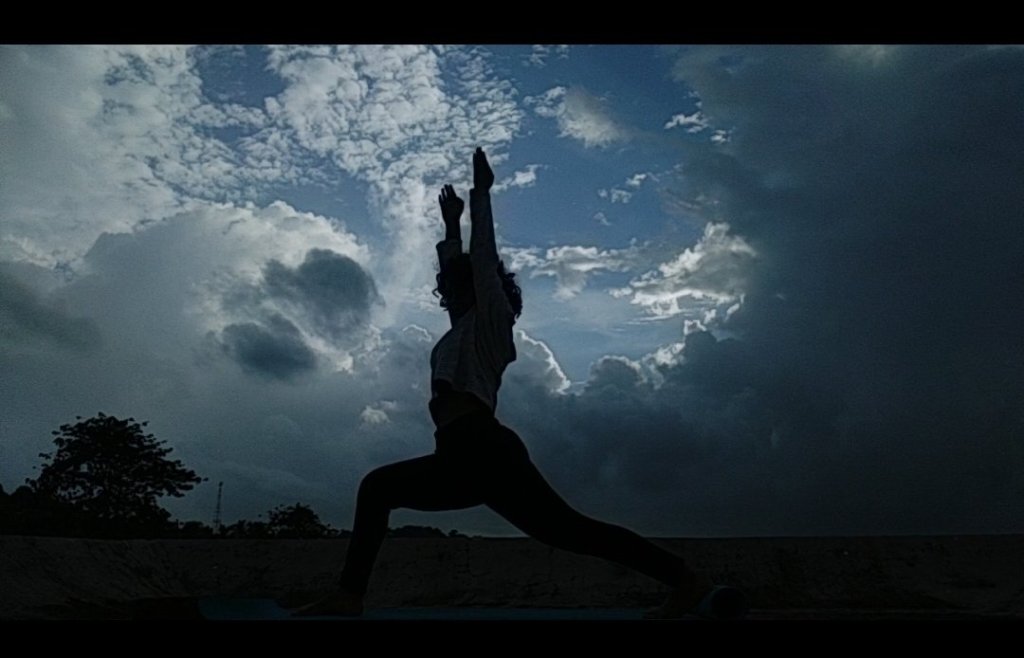
Steps to perform Warrior 1
• Stand in mountain pose, then get into hastapadasana (the hands-to-feet pose). Bring your left leg behind and right leg at 90 degree. Once achieved a correct posture slowly try to exhale while your hands are perpendicular towards the floor.
• Inhale, and gentle lift your both hand parallel facing towards the sky raise your neck towards the sky or you can keep your neck neutral to your shoulder level.
• Exhale bring your both hands down and get into hastapadasana.
• Do this for the other side as well.
• Stay in this position for 30sec.
• Do this 3 times in a sequence.
Steps to perform Warrior II
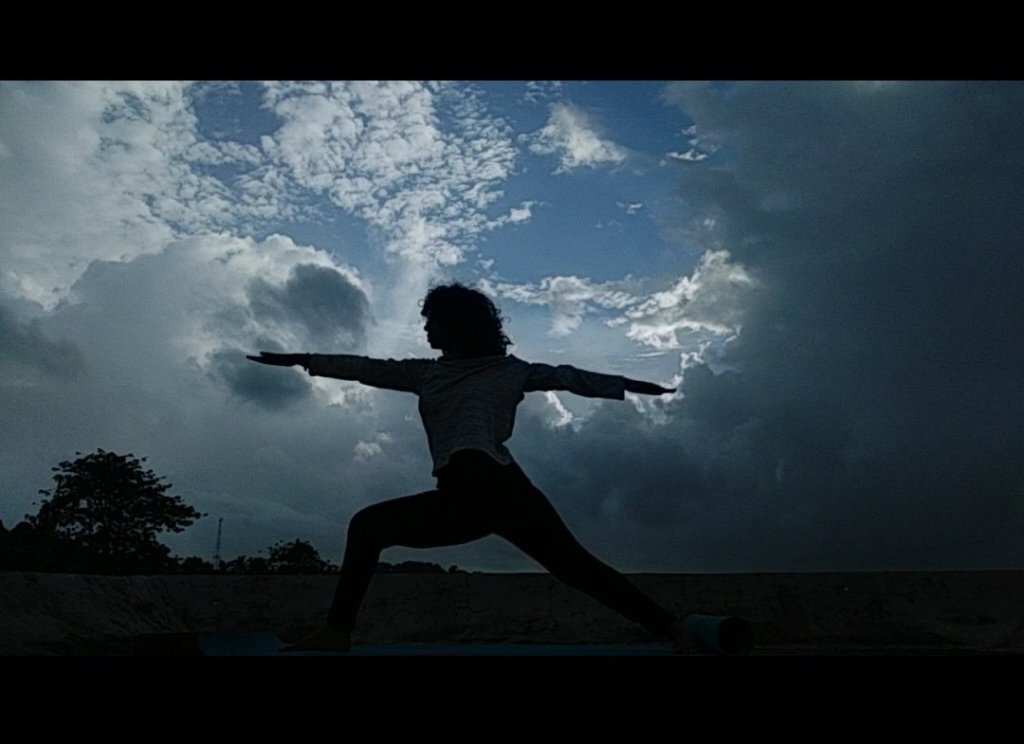
• If you’re starting to do warrior II, stand straight with your legs wide apart. Exhale, extend right feet forward, keeping it at 90 degree, bend into a lunge. Be sure that your knee is pointing over your toes and your back feet remains behind.
• Repeat this on the other side as well.
• Hold for 30 secs. Repeat it 3 times.
• If you’re in your vinyasa flow then from hastapadasana take your right feet forward, maintaining 90 degrees, then bend into a lunge. Therefore, being in warrior I position. From there slightly, twist hips towards your left, with both arms extended straight out from your side.
• Do the same for the other side as well.
Steps to perform Warrior III
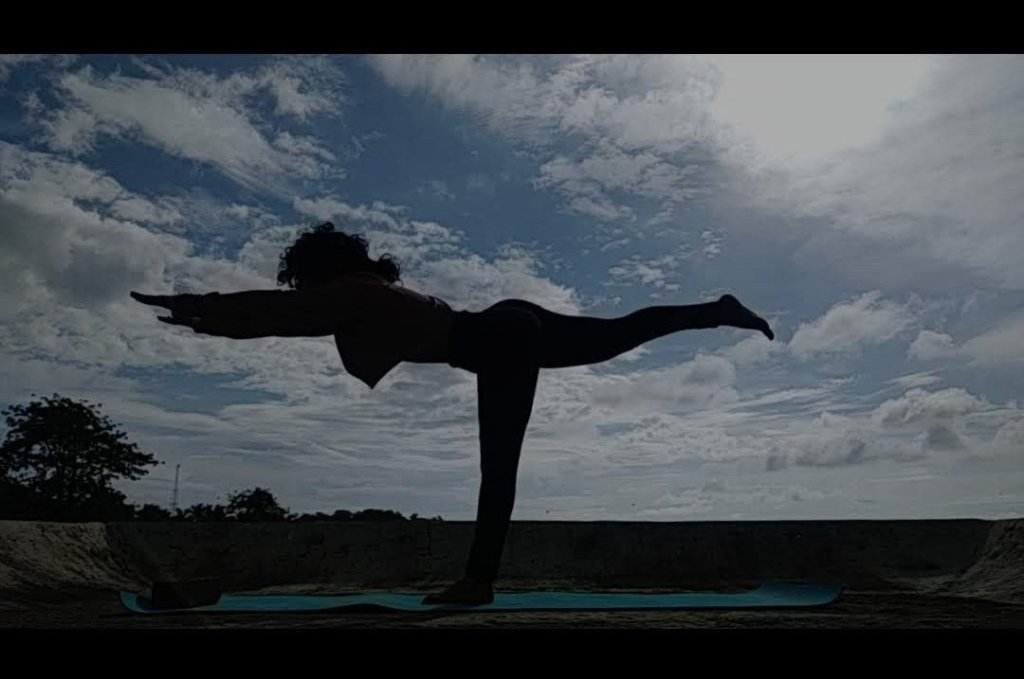
• Begin by standing straight, your front leg with a slight lunge and back leg straight at the back of your heel lifted, while keeping your hands joined to the heart try to lift the back leg at 90 degrees and slowly extend your hands forward and gazed downward.
• Remember to inhale and exhale.
• Do the same for the other leg
• Try to hold this posture for 15-20secs.
• Repeat this asana 3times.
Below is the link to the video of Warrior I 2 3
Thank you, have a wonderful day everyone! 🙂
 The Yin Yang Yoga Explorer☯️🌍